Philodendron New Leaves Turning Yellow

Philodendron new leaves turning yellow
The most common cause of yellowing leaves among Philodendron plants is improper soil moisture–in particular, overwatering. Only water your Philodendron when the top 25% of the soil in the pot is dry. Soil should remain damp, but not wet.
Should I remove yellow leaves from Philodendron?
Once the watering problem is corrected the plant should start to look a lot happier and new growth should be healthy. You can remove yellow leaves from your Philodendron or simply allow them to drop off on their own.
How do you fix a yellow leaf on a Philodendron?
The Fix. If your philodendron's leaves are yellow and the leaf tips are crispy, your philodendron needs more bright light. Move it closer to a window, but not so close that it gets direct sunlight all day. If it has sunburned spots, move it further away, or hang a sheer curtain in the window to protect it.
What does an overwatered Philodendron look like?
Overwatered Philodendron Symptoms of overwatering include wilted leaves, even though the soil is moist. New leaves may turn brown and soft. Another sign that overwatering might be the problem is a buildup of visible salts on the soil surface. These salts look like a white, crusty, crystallized layer.
What color should new Philodendron leaves be?
Bear in mind that it's perfectly normal for new leaves to come in with a peachy-pink colour before they turn green. But more redness than usual can be something more sinister too. Commonly it's scorched by too much direct sunlight, but it could be an issue with under watering or fertilizer also.
Can you reverse yellowing leaves?
When the leaf loses its chlorophyll, the plant abandons it and begins to absorb leftover nutrients from the leaf. That's why once the leaf turns yellow, you generally can't make it turn back green again. (Although in cases of nutrient deficiencies, sometimes yellow leaf color can green back up again with treatment.)
How often should I water my Philodendron?
Water. Your Philodendron enjoys weekly watering sessions, allowing its soil to completely dry out between waterings to prevent overwatering and root rot. During the winter months feel free to water your Philodendron less frequently, adjusting to let it dry out fully.
How much light does a Philodendron need?
Light: Philodendrons grow best in medium light and bright indirect sunlight. Older leaves turn yellow naturally. However, if you notice several yellow leaves at once, it could be an indicator that the plant is getting too much sun.
How do you stop leaves turning yellow?
Houseplant Help: How to Save a Plant Whose Leaves are Turning...
- Step 1: Check for “Moisture Stress”
- Step 2: Look for Unwelcome Critters. ...
- Step 3: Let Them Soak Up the Sun. ...
- Step 4: Protect Them from Cold Drafts. ...
- Step 5: Make Sure They're Well-Fed.
How do you fix an overwatered Philodendron?
Repot Your Overwatered Philodendron Always use a light, airy mix that contains perlite or pine bark. Don't pack the soil into the pot. Be sure to use containers that allow air circulation around the roots. Terracotta pots with plenty of drainage holes are good.
How do you rejuvenate a Philodendron?
To save your philodendron locate the plant in bright indirect light, in moist yet well draining soil, in warm temperatures and mist the leaves regularly. The plant should show signs of recovery with new growth emerging in the active growing season of Spring and Summer.
What is the best fertilizer for Philodendron?
A 20-20-20 liquid houseplant fertilizer tends to be the best for almost all philodendrons. Pay attention to potential shifts in soil pH or other complications, especially if you're making your own fertilizer.
How do I know if my philodendron needs water?
Watering Your Philodendron Plants that live in soil should be watered when half of the soil is dry. As with most plants, yellow leaves indicate over-watering, and brown leaves indicate under-watering. You can tell when a philodendron needs water because its leaves will appear wilted.
How do you tell if Underwatering vs overwatering?
Determine which by feeling the leaf showing browning: if it feels crispy and light, it is underwatered. If it feels soft and limp, it is overwatered. Yellowing leaves: Usually accompanied by new growth falling, yellow leaves are an indication of overwatering.
Will an overwatered plant bounce back?
Depending on the circumstances and severity of over-watering your roots may need more time for recovery than others! The good news is that most plants will bounce back between 7-14 days if they're given proper care (which includes rehydration).
How do I know if my philodendron is getting too much sun?
Philodendrons that receive too much light will show symptoms of sun-scorch, that include pale-yellowed foliage, crispy brown patches and stunted growth. Alternatively, situations that don't boast enough light will result in slowed or elongated growth, mould developing on the soil and a heightened risk of root rot.
What do new philodendron leaves look like?
I have also found that new leaves on a philodendron have a pink or brownish tint, and will darken to its true color with a bit of maturity. Pothos leaves unfurl simply a lighter shade than the rest of the plant!
Do Philodendrons need to be misted?
Normal household humidity is fine for your Philodendron Birkin, but higher humidity encourages larger leaves. Your plant will benefit from regular misting. Your plant will grow well in temperatures between 70-80 degrees during the day and above 55 degrees at night.
What nutrient deficiency causes yellow leaves?
Sulphur. Sulphur is a component in the formation of chlorophyll. Deficiencies result in yellow leaves and stunted growth.
Does Epsom salt fix yellow leaves?
If your plant's leaves are turning yellow, it might have a sulfate deficiency. If your plant's leaves are turning yellow but the veins remain green, it might have a magnesium deficiency. Epsom salts are a great solution for both of these problems.
14 Philodendron new leaves turning yellow Images
Philodendron Papaya Super Yellow Leaf Philodendron Selloum Gold

This philodendron moonlight may be my new favourite plant Look at

Pin on Philodendron

Yellow Plants Spotted Yellow

Transplanting A Lacy Tree Philodendron How And When To Repot Tree

Heart Leaf Philodendron philodendron scandens Your plant appears to
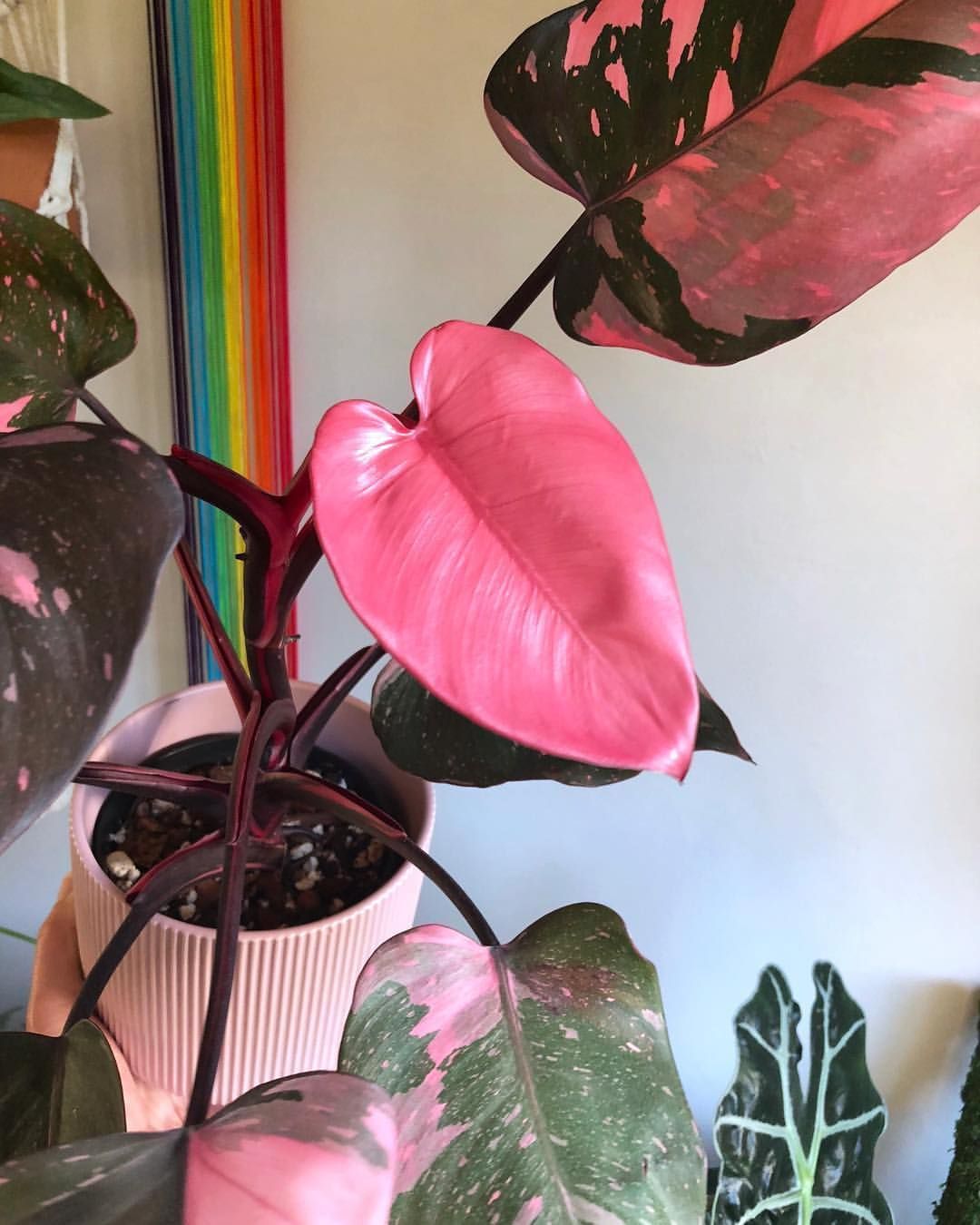
Oh Hiiiiiiii Wednesday pdxhouseplants philodendronfanatic

Update on my DARK LORD PHILODENDRON Im back The photos are the

Pin op Home

Pin on House Plants and Gardens

Large green lobed leaves on Philodendron selloum Hope Yellow leaves

syngonium yellow variegated in 2020 Plants Indoor plants House plants

philodendron florida beauty Indoor tropical plants Variegated plants

Post a Comment for "Philodendron New Leaves Turning Yellow "