Indoor Plant Watering Chart

Indoor plant watering chart
Make a habit of checking on your houseplants at least once a week to see if they need a drink. The best way to tell if your plants need water is to stick your finger about an inch into the potting mix ( The Sill), and if it feels dry, break out the watering can. If you detect dampness, check back again in a day or two.
How often should potted plants be watered?
A few more tips on containers. Early in spring when your plants are smaller and the temperatures are lower you may only have to water every 3 or 4 days. As the plants get larger and the mercury creeps higher be prepared to water every day, with small pots or water “pigs” you might even have to water twice a day.
When should indoor plants be watered?
To know when your houseplants need a drink, touch the soil. If it's dry, the plant needs water. If the surface is moist, hold off on watering. Check every single specimen – just because one needs to be watered doesn't mean they all do.
What are the best watering practices for indoor plants?
So what I do with Sansa REO or any plants that are like a six or an eight or a four inch pot. I
How do I know how much water to give my plant?
For almost all plants, you should water them only when the top inch or so of soil feels dry. An easy way to check if your plant needs watering is to follow the finger dip test. Never be tempted to over-water. Over-watering is equally as harmful as under-watering.
How can you tell if a plant is over or under watered?
When plants have too little water, leaves turn brown and wilt. This also occurs when plants have too much water. The biggest difference between the two is that too little water will result in your plant's leaves feeling dry and crispy to the touch while too much water results in soft and limp leaves.
How do I know if my plant needs water?
Using your finger, test about 2” down in each planter and feel for moisture. If the soil is dark and you feel even the slightest bit of moisture, don't water - most plants only need water when the soil is dry and light in color.
Is once a week enough to water plants?
If your plants in the ground (versus a pot), the general rule is that plants need one inch of water per week. However, this does NOT mean watering one time per week. That doesn't usually do the job. Plants do best when watered about three times a week, factoring in the rain.
Should potted plants be watered from the top or bottom?
Top watering can help flush excess salts and mineral deposits to the bottom of the pot and eventually out of the drainage holes. Constantly bottom watering will keep these salts and minerals in the potting mix, so top watering can help keep the root system of your plants healthier.
How long should tap water sit before watering plants?
To reduce the risk of harmful chemicals in your water, allow your tap water to sit out for at least 24 hours before using it to water your plants. This allows the chlorine to dissipate.
Why do my indoor plants have brown tips?
Why Tips Turn Brown. Plants naturally use and lose water through their tissues each day. Leaf tips turn brown when that lost water can't be replaced for some reason. Ideally, water flows from plant roots through stems and waterways until it finally reaches leaf tips last.
Should I mist my plants daily?
“A lot of people don't understand the importance of misting,” adds Jenkins. “Misting is one of the top things that you can do for your houseplants. I advise my clients to mist their houseplants one to two times per week.”
What are the 3 proper ways of watering the plants?
You can get a jump start by following these 7 best practices:
- Water Where the Roots Are.
- Check the Soil Before Watering. ...
- Water in the Morning. ...
- Water Slowly. ...
- Make Every Drop Count. ...
- Don't Overwater. ...
- Don't Let Them Go Dry. ...
- Use Mulch to Conserve Moisture.
Should you let plants dry out before watering?
“If soil is left too wet for too long, it can cause root rot,” Marino says. “That's what we call over watering. On the other hand, if your plant's soil is consistently too dry you're likely under watering. Letting your soil dry out before watering is key for plants to receive the perfect balance of water and oxygen.”
Is it better to water indoor plants at night or in the morning?
It's usually better to water houseplants in the morning. The consensus is that the morning is the best time to give your indoor plants a drink—especially during the hot summer months. This will allow the plant to absorb the water before it gets too hot (which can cause the water to evaporate too quickly) and dark.
What does 1 inch of water per week mean?
A good rule of thumb for most plants in vegetable and flower gardens that are planted in the ground (as opposed to containers) is 1 inch of water per week. One inch is enough to give the plant what it needs at the moment, and allow the soil to hold a little in reserve until the next watering.
How many minutes should I water my plants a day?
During spring and summer in Southern California, she suggests drip watering three times a week for 18 minutes, then adjusting from there if the soil is too wet or dry. Don't know how to tell? Stick your finger in the soil. If it's consistently moist 2 inches down, your plants are fine.
How do you measure 1 inch of water a week?
Experts say this amounts to roughly six gallons per square yard per week. One crude but easy way to figure out how long you need to water to get one inch a week: scatter five empty tuna cans or other containers throughout your lawn. Turn on your sprinkler system and let it run for 30 minutes.
Should I cut off brown leaf tips?
When you see dead leaves, dormant stems, or brown parts of leaves, cut them away. It's fine to pluck dead leaves or stems with your hands when possible, just don't pull too hard, or you may damage the healthy part of your plant. For tougher stems or to remove brown leaf tips and edges, use scissors or pruning shears.
What does an overwatered plant look like?
If a plant is overwatered, it will likely develop yellow or brown limp, droopy leaves as opposed to dry, crispy leaves (which are a sign of too little water). Wilting leaves combined with wet soil usually mean that root rot has set in and the roots can no longer absorb water.
11 Indoor plant watering chart Images
Pin on Lawn and garden

Garden Watering Schedule Garden watering schedule Home vegetable

Pin on Gardening

When to Water Your Vegetable Garden Watering Chart Planting

Pin on Indoor Gardening
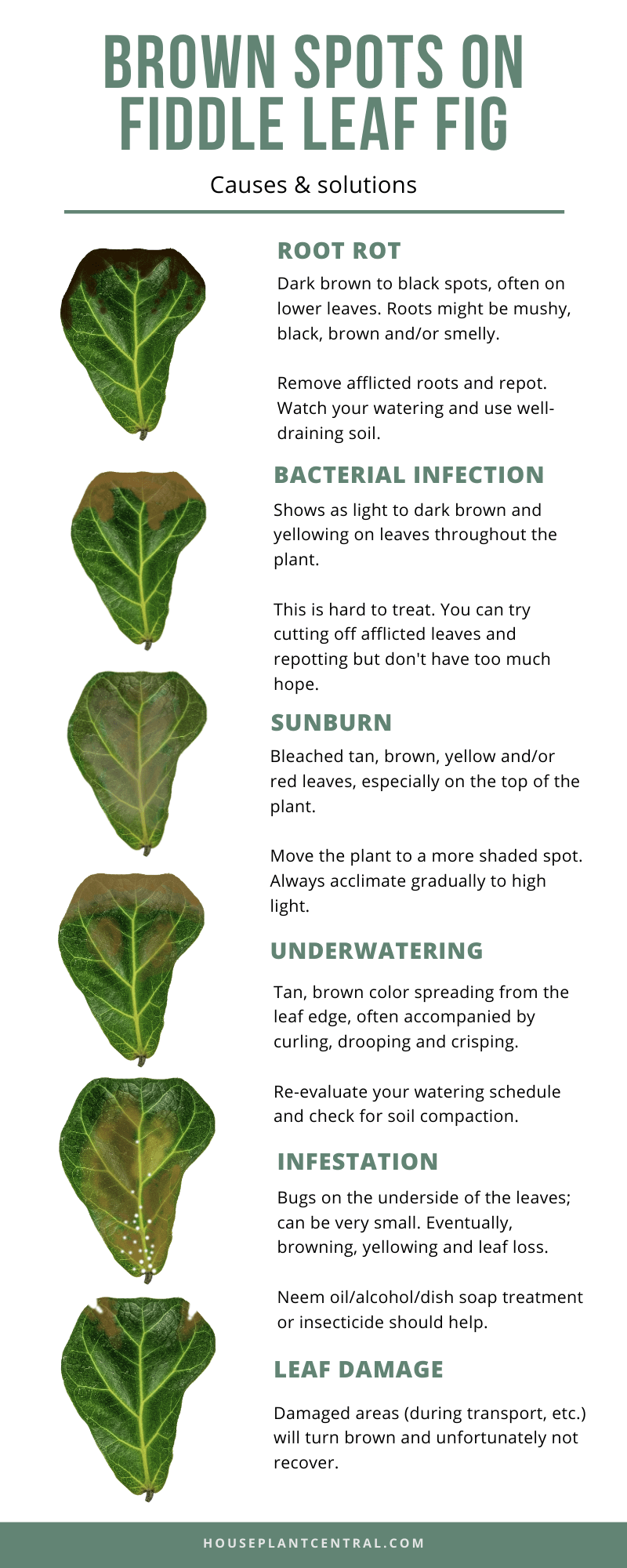
Common fiddle leaf fig problems With visual guide Houseplant

Garden water schedule Avocado seed growing Garden watering schedule

4189 Best images about Gardening on Pinterest Plants Slug and

Found on Bing from wwwpinterestcom Vegetable garden soil Garden

When to Water Your Vegetable Garden Old farmers almanac Plant

Post a Comment for "Indoor Plant Watering Chart "