Public Transportation In Germany

Public transportation in germany
What is the price for public transportation in Germany? Bus and subway prices in Germany are affordable and also comparable to one another (i.e. it doesn't cost more to get the metro than a bus). Single bus, tram, or metro trips usually cost between €1 to €2. Monthly travel cards usually cost around €80 to €90.
What is the most common form of transportation in Germany?
Bus, tram, S-Bahn, U-Bahn, regional trains (RE/RB/IRE), ICE/ICs are the main public transportation in Germany. What is this? Except for ICE/ICs, a German high-speed train for long-distance travel, the rest is used for regional transport.
Is public transport easy in Germany?
Public transportation in Germany At the local level, Germany's states manage buses, trams, metro networks, suburban trains, and ferries. Public transportation systems in Germany are safe, efficient, and fairly easy to use.
What is public transportation called in German?
Public transport in Germany is called öffentlicher Personennahverkehr, or just ÖPNV. It includes buses and trains (underground trains, metro trains and trams).
What is the cheapest way to travel around Germany?
Bus – Aside from hitchhiking, buses are the cheapest way to get around Germany. They are punctual but slow, with comfortable seats, air-conditioning, rest stops, and usually free Wi-Fi. There are a few major bus companies servicing Germany, including: Flixbus.
What is the best way to get around in Germany?
There are many methods of transport for traveling, but the best ways of getting around Germany are by train and by car.
Are there Ubers in Germany?
When you arrive at your destination, you just get out—the payment is completely cashless. In Berlin, Uber provides five ride options: UberX, UberXL, Premium, Green and Taxi. With UberX, UberXL, Premium and Green, you can arrange a trip with an Uber driver-partner.
Is it better to drive or train in Germany?
Trains are the most popular mode of transport in Germany as they're considerably faster than driving. For example, driving from Hamburg to Munich takes eight hours while the equivalent train ride only takes six.
Is Germany public transportation good?
Most German cities and towns have efficient systems of public transport. In larger cities such as Berlin, Hamburg and Munich, they are usually run by a transport association that integrates all forms of public transport into a single network.
What is the easiest way to Germany?
To be eligible to move to Germany, you must fulfil the following criteria:
- Prove Financial Stability.
- Have Health Insurance. ...
- Have at Least Basic Proficiency in German. ...
- Get a German Visa. ...
- Standard Residence Permit. ...
- European Union (EU) Blue Card. ...
- Settlement Permit or Permanent Residence Permit.
Are German cities walkable?
From a climate, health and cost standpoint, walking is one the best modes of transport. But, according to a new report, most of the world's cities are still dominated by cars. And German cities are no exception.
Which German city has the best public transportation?
Berlin was the German federal state with the highest public transit accessibility. During the same year, around 99.5 percent of the population in Germany's capital city was well connected with bus stops and train stations.
Why do people leave Germany?
Incessant wars, religious conflicts, famines, political grievances and a lack of prospects forced many people to leave Germany over the centuries. The land's relative population loss was enormous. An estimated six million emigrants left Germany between 1820 and 1920. A large portion immigrated to the USA.
How do you pay for trains in Germany?
You can buy tickets for the train online in advance or directly at the station. There are ticket machines where you enter your destination and find out the price. As soon as you pay -in cash or with an EC card - your ticket will be printed out. There are usually conductors who check the tickets on trains.
Why do people move to Germany?
Good jobs and salaries, a clean environment, low crime rates, lots of leisure-time and cultural attractions, good public transport – that what makes Germany so attractive for foreigners. People migrate to Germany because of many reasons, but probably the most important ones are strong economic and welfare system.
How much cash do I need for a week in Germany?
Past travelers have spent, on average, €32 ($34) on meals for one day and €19 ($20) on local transportation. Also, the average hotel price in Germany for a couple is €119 ($127). So, a trip to Germany for two people for one week costs on average €1,697 ($1,799).
What is the cheapest month to go to Germany?
Cheapest Time to Go The best time to visit Germany on a budget is from January to March, which boasts the absolute lowest rates on flights and accommodations of the year. It's winter, so it's going to be cold, get dark around 4:00 p.m., and many outdoor attractions will be shut down for the season.
How much money should I take to Germany for a week?
When it comes to prices and whether Germany is expensive to visit, tourists have declared that Germany remains cheaper than other Western European countries. On average, as a couple, you can expect to spend between $2,000 and $2,500 for a one-week trip.
Is Germany friendly to tourists?
Germans are very welcoming, so it's not uncommon for a tourist to be invited into a German home. If this happens, its important to show gratitude with a small gift such as flowers, wine or candy.
How do travelers get around in Germany?
Planes, trains and automobiles, not to mention buses, boats and bikes: Germany deals in the full deck of options for travel within the country, with one of the finest public transport systems in Europe.
14 Public transportation in germany Images
Cologne Map Detailed City and Metro Maps of Cologne for Download
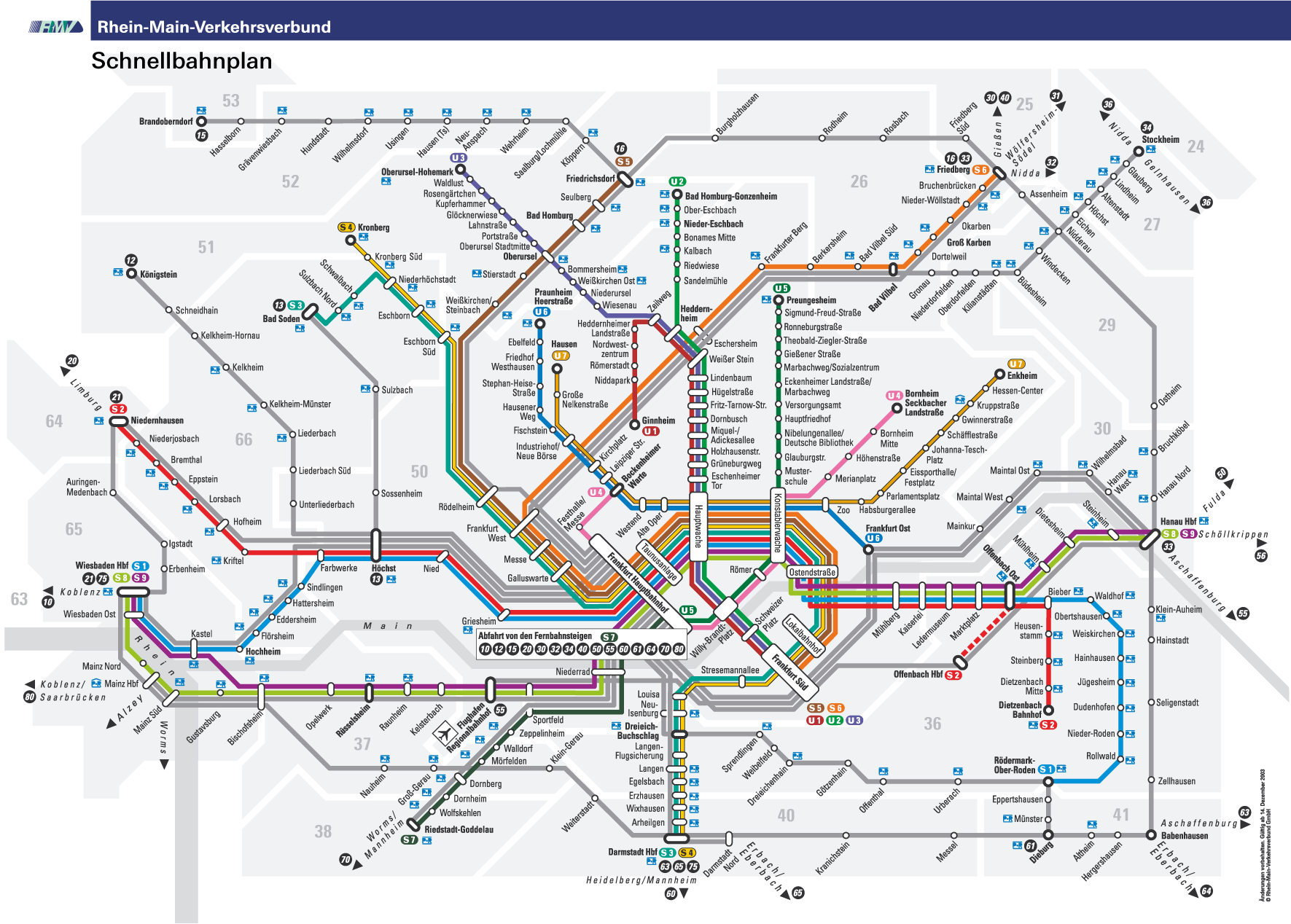
Frankfurt Subway Map Train map Subway map Frankfurt am main

Your COMPLETE Guide to Using the Deutsche Bahn in Germany California

Hamburg transport map Amburgo Papa francesco Immagini divertenti

Free Public Transportation in Germany A Green Solution to Combat Air

Traveling in Germany is easy This guide to transportation in Germany

How To Use Public Transport In Germany Expatolife Europe travel

Berlin Rail Europe Bonde Light Rail Public Transport Railway

Europa Deutschland Berlin Tiergarten Moabit EmmaHerweghStrae

Europa Deutschland Berlin TreptowKpenick Johannisthal Gro

Berlin Rail Europe Light Rail Public Transport Transportation

Europa Deutschland Berlin Pankow Prenzlauer Berg Wisbyer Strae

How To Use Public Transport In Germany Without Schwarzfahren

Post a Comment for "Public Transportation In Germany "