Brown Tips On Norfolk Pine
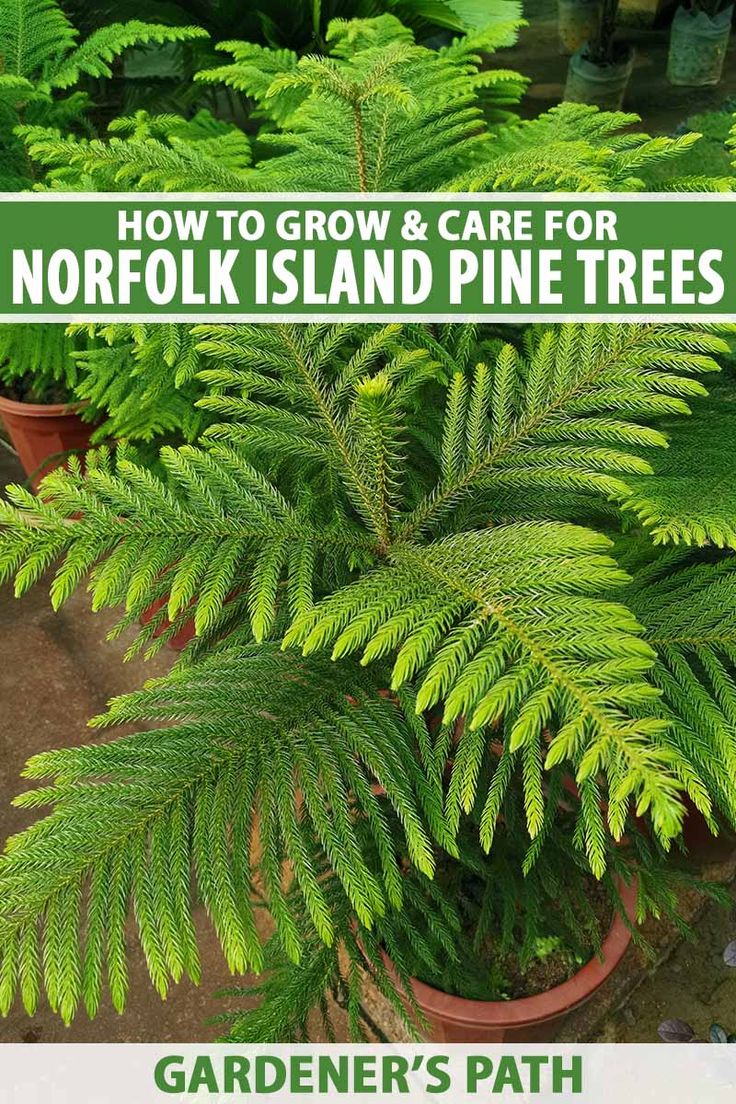
Brown tips on norfolk pine
How often should you water a norfolk island pine? Water every 1-2 weeks, allowing soil to dry out between waterings. A tropical plant, the Norfolk Island Pine's potting mix can be kept semi-moist, but not wet, which will lead to root rot.
Why are the tips of my pine trees turning brown?
Many conifers are subject to needle drying of winter burn during the winter. The most common symptom of winter burn is brown or red foliage on the exposed (often south) side of the tree.
How do you tell if a Norfolk pine is dying?
This usually includes either over-watering or under-watering the plant as well as relocating the plant too quickly. If you notice your Norfolk pine tree suddenly dropping leaves or pine needles in your home, the chances are that the plant is dying.
How do I know if my Norfolk pine needs water?
If the top inch of soil feels dry, go ahead and give your conifer a soak. If more than the top inch of soil feels dry, and the conifer seems to be drying out very quickly after watering, you will probably need to hydrate it more frequently – and you might want to consider repotting your living Christmas tree.
Do Norfolk pines like sun or shade?
Replicate the Norfolk pine's native conditions. "For this specific plant, it is ideal to have six-plus hours of bright, indirect sunlight, generous humidity, and moist, but not sopping-wet soil," Wheatley says, adding that the soil should be sandy and well-draining.
Do Norfolk Pine like to be misted?
Norfolk Pines prefer high humidity so mist your plants once a week or more frequently if you notice that needles are turning brown. When you water your plant, place it in a container to hold the water that runs through the soil. Let your plant sit in that water for no more than one hour.
What does an overwatered pine tree look like?
Overwatering signs If new growth withers before it's fully grown or becomes slightly yellow or green, there is too much water present. Watch leaves carefully as well. They may look like they are green, vibrant, and healthy, but if they break easily and are overall fragile, they can be suffering from too much water.
Why is my Norfolk pine drying out?
Norfolk Island Pine trees need a high level of humidity to thrive. If they are getting brow tips or dry brittle leaves, it could be due to lack of humidity consider: misting the plant regularly. placing it on a pebble tray with water.
What does an Underwatered pine tree look like?
Underwatered pine trees will show signs of browning needles or have a dull, wilted appearance to their green needles. The needles will begin to dry and will feel brittle to the touch.
Can Norfolk pine get too much sun?
Needles Turning Yellow If the needles turn yellow, the tree may not be getting enough sunlight. Or, it could be getting too much sunlight. Extreme changes in temperature may also be the culprit turning the needles yellow.
Can Norfolk pine survive in low light?
Indoors, Norfolk Island pine tolerates low, medium, or bright light, but it does best in brighter spots. Another cool thing about the plant is that it doesn't need sunlight to grow and thrive -- fluorescent lights are just fine.
Are coffee grounds good for Norfolk pines?
Do Norfolk pines like coffee grounds? Norfolk Island Pine trees like slightly acidic soil. So, adding coffee grounds to the soil – or watering with a bit of coffee – is a great way to achieve that acidity level!
How often should you mist Norfolk pine?
When it comes to misting your Norfolk Island Pine, it will need to be done at least once a week during the winter, and 2 to 3 times per week during the summer. If the water in the saucer evaporates quickly, you can just mist your tree every time you replace the water.
Why does my Norfolk pine have yellow tips?
Norfolk pines require ample sunlight, but they don't like direct sun. Your Norfolk pine with yellow leaves might be suffering from either too much direct sun or too little rays. Move it to a spot where it gets plenty of indirect light. In the summers, try moving your houseplant Norfolk outside beneath a tall tree.
How often should I repot my Norfolk pine?
These trees grow slowly, so you should only have to repot every two to four years. Do it in the spring as the tree is beginning to show new growth. When transplanting a Norfolk Island pine, choose a container that is only a couple inches (5 cm.) bigger than the previous one and be sure that it drains.
Where should I place a Norfolk pine in my house?
Give indoor Norfolks bright natural light — as much as your home allows. This encourages strong, healthy, horizontal branches with the graceful symmetry for which Norfolks are known. Normal indoor home temperatures are fine for this plant, but avoid placing them in drafty areas or near heating or cooling ducts.
Do Norfolk pines need fertilizer?
Feed your Norfolk Pine once a month during spring and summer with a general-purpose fertilizer diluted to half-strength. No fertilizer is necessary during the fall and winter when plant growth naturally slows.
Do Norfolk pines like small pots?
Answer: When repotting a large plant like a Norfolk Island pine, a good rule of thumb is to use a pot that is at least 2 inches larger than the pot your plant is in. So if your tree is in a 12-inch pot, you would want to transplant into a 14 or 16-inch pot.
Do Norfolk pines like to be root bound?
Norfolk Island pines won't need repotting very often and prefer to be a little bit pot bound. When they are young and actively growing, repot in the spring. If you keep on repotting, they will keep on growing.
Can I cut the top off my Norfolk pine?
Although cutting off the top of a Norfolk island pine will control its height, this can damage your tree. Generally, you should only cut off the top of your pine if necessary because doing this will alter its shape and can permanently stunt it.
13 Brown tips on norfolk pine Images
How to Grow Norfolk Island Pine Trees Gardeners Path Norfolk pine

How to Take Care of Norfolk Island Pines Norfolk pine Norfolk island

How to Take Care of Norfolk Island Pines Norfolk pine Norfolk pine

What is This Plant Norfolk Pine Houseplant 411 How to Identify

Norfolk Pine 101 How to Care for Norfolk Pines Bloomscape Norfolk

Norfolk pine is a hybrid between the Norfolk and Cook Pine Conifer

Reasons For A Yellowing Norfolk Pine What To Do For Yellow Or

13 Norfolk Pine ideas norfolk pine norfolk norfolk island

Norfolk pine in our sunporch is about this big now Maybe bigger

How to Grow and Care for Norfolk Island Pines httpwww

NorfolkIslandPine8inchJPG Norfolk island pine Plants Norfolk

Norfolk Pine 101 How to Care for Norfolk Pines Bloomscape Norfolk

Post a Comment for "Brown Tips On Norfolk Pine "